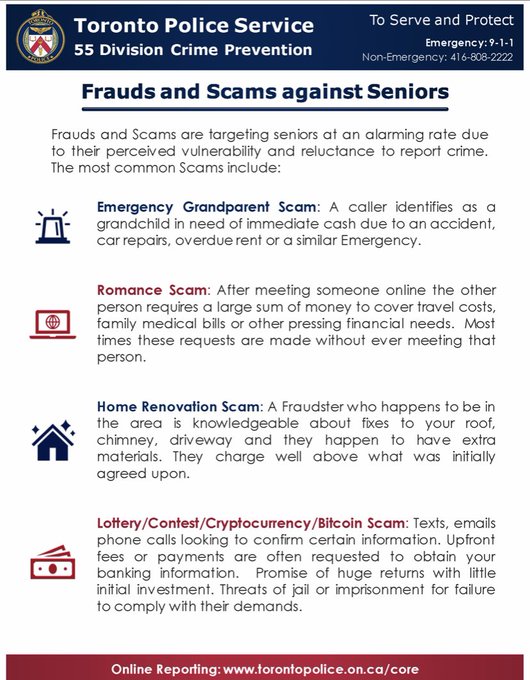
Police say online dating hoaxes, suspicious retailers, bogus tech support, government imposters and fake e-mail solicitations remain the top five online fraud scams in the last year.
In online dating scams cyber criminals use dating apps or social media to strike up conversations with potential targets. After cultivating a relationship and earning your trust, they will need funds for a plane ticket, or other expense, and ask you to wire money or buy a gift card to help pay for it.
Police warn never to send money or buy gift cards for someone you have never met.
Suspicious retailers usually set up a fake store online, on social media, which offer products at the cheapest prices for items you may need. The thieves get you at check out since they may not use a trusted source of payment and have direct access to your information.
Police say if the deals seems too good to be true, it probably is. Do some research talk to people or search the company.
Beware of the good old bogus tech support scam, where you receive a request by e-mail, pop-up window or phone call from a tech support claiming your computer has malware. They ask for payment to fix the defects.
Police warn to hang up if someone calls. Install the latest updates or take your computer to a reputable store. Software companies do not initiate support calls.
In the government imposters file you receive a request from someone claiming to be a U.S. government agency urging you to settle a debt right away, or pay money to receive some sort of federal funds or to verify your personal information.
They claim you can be arrested or lose your home or your Social Security benefits withheld.
Police warn that the federal government will not phone or email you to pay back debt with untraceable prepaid debit, gift card or wired transfer.
Fraudulent e-mail solicitations advise you about working at home or buy cheap services or your account will be deactivated. You are asked to immediately send money or for account information.
If you receive a suspicious e-mail, be cautious about opening any attachments or clicking on links within it. If you do have an account with the company purportedly sending the email, log in directly to the company’s homepage.
You are asked to contact police or your financial institution right away if you wired money so it can stop payment.

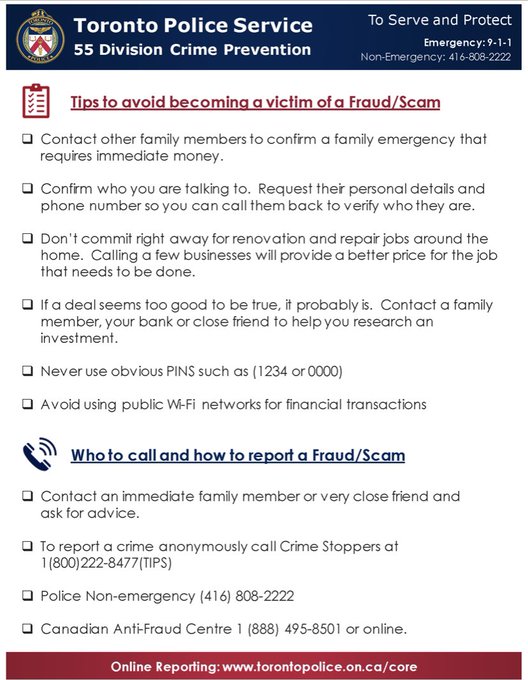
How to avoid online scams
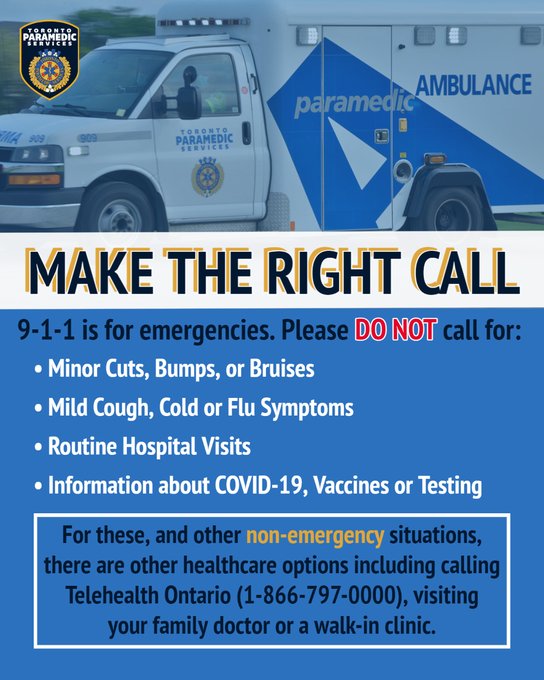
Make the Right Call
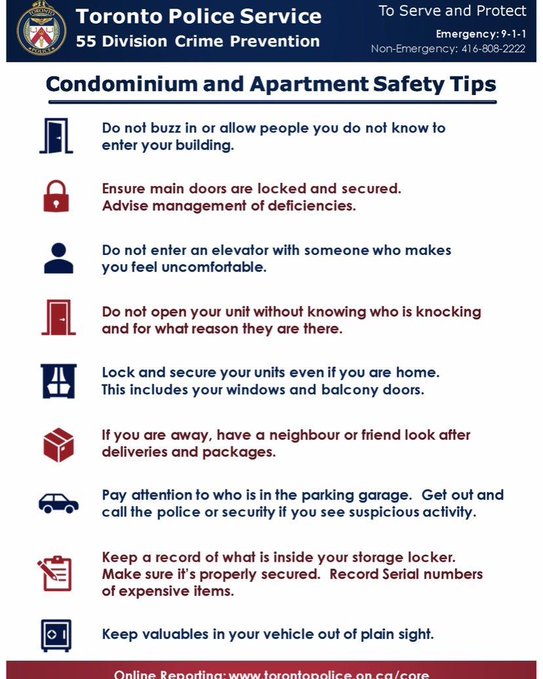
Condo Safety Tips