
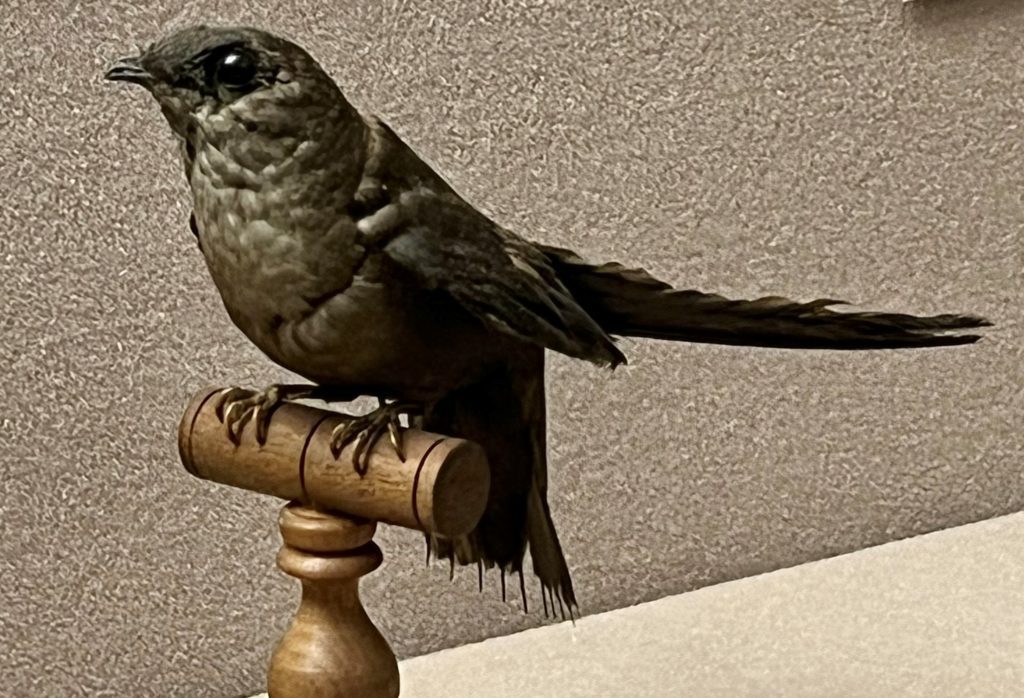
These chimney swifts are being wiped out by developers and are in need of protection.
Toronto is rich with endangered species of birds and animals that we must protect.
As a result, a plan for developers to replace habitat of endangered species is before City Council for approval.
Council on February 6 is being called on to approve a plan that requires developers to rebuild at least two high-quality replacement habitats for each existing habitat destroyed.
Councillor Dianne Saxe said ‘developers intending to destroy endangered species habitat often wish to save money by constructing their replacement habitats in parks or other City property, to avoid having to purchase replacement habitat lands.’
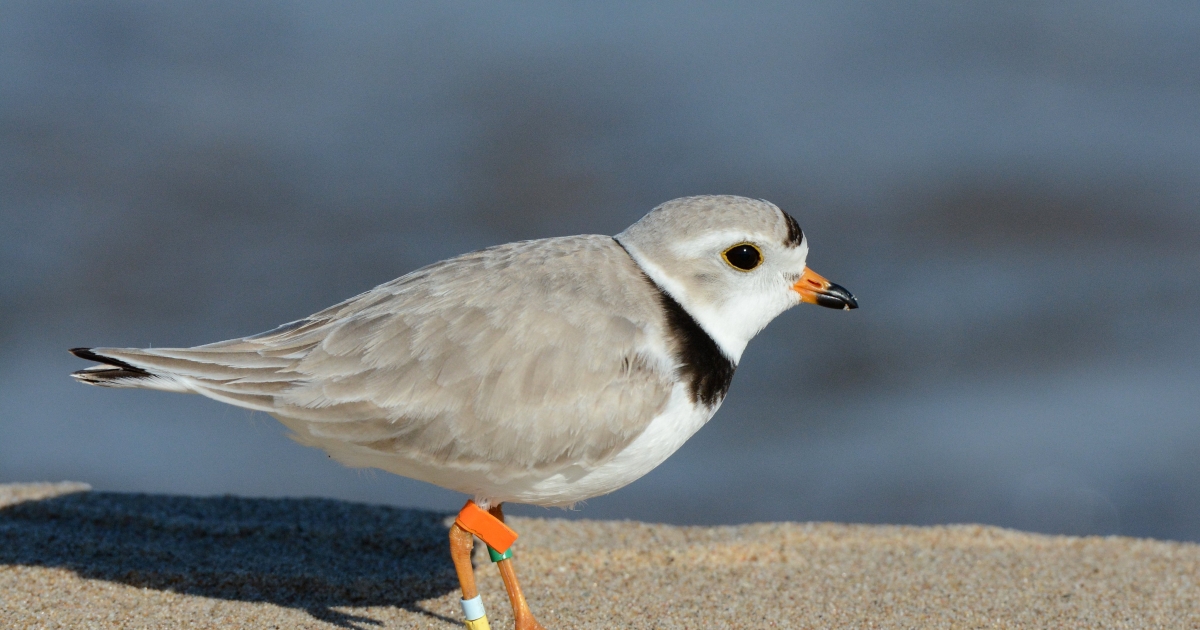
The piping plover is also an endangered species that live in Toronto and has to be spared.
“The City should not permit public property to be used for this purpose unless at least two high quality replacement habitats are constructed for each existing habitat destroyed,” Saxe said in a letter to Council.
She said the Environmental Commissioner of Ontario has recommended that at least two high quality replacement habitats should be constructed before permitting destruction of the original habitat.
Ellen Schwartzel, of Toronto Field Naturalists, some birds at risk nest in Toronto, including chimney swifts, common nighthawks and piping plovers.
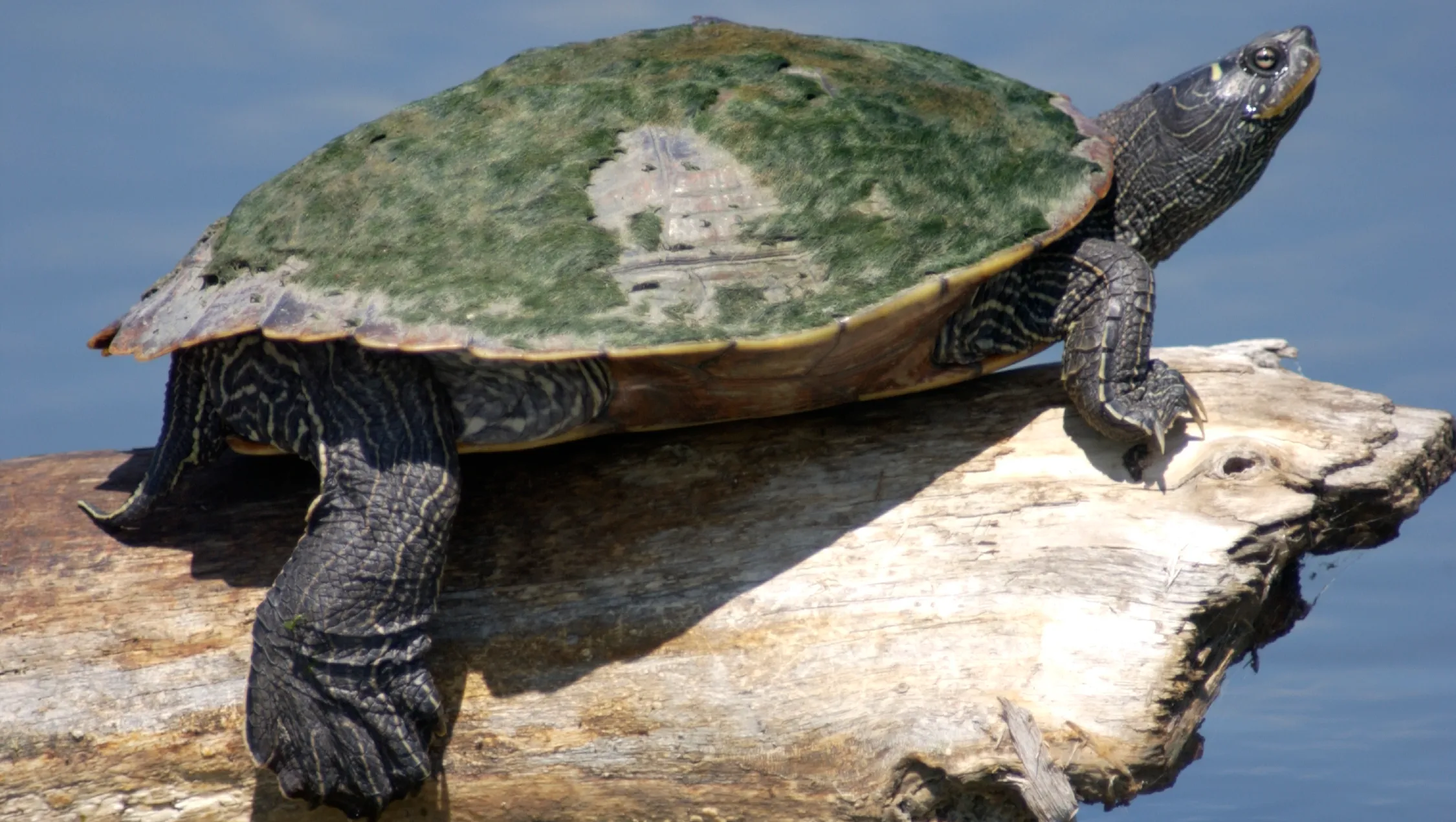
The endangered northern map turtle has to be preserved and its habitat rebuilt when destroyed.
Schwartzel noted at risk reptiles living here includes the threatened Blanding’s Turtle and several other species as the snapping turtle, the northern map turtle and the milk snake.
“The need for action is real,” she told Council. “Many species listed as “at risk” under federal or provincial law continue to survive within City of Toronto limits, especially along the lake shorelines and in our ravines and parklands.”
Schwartzel said at risk species remind us of our long-term obligations as land stewards and we have an obligation to care for our native species on behalf of future generations.
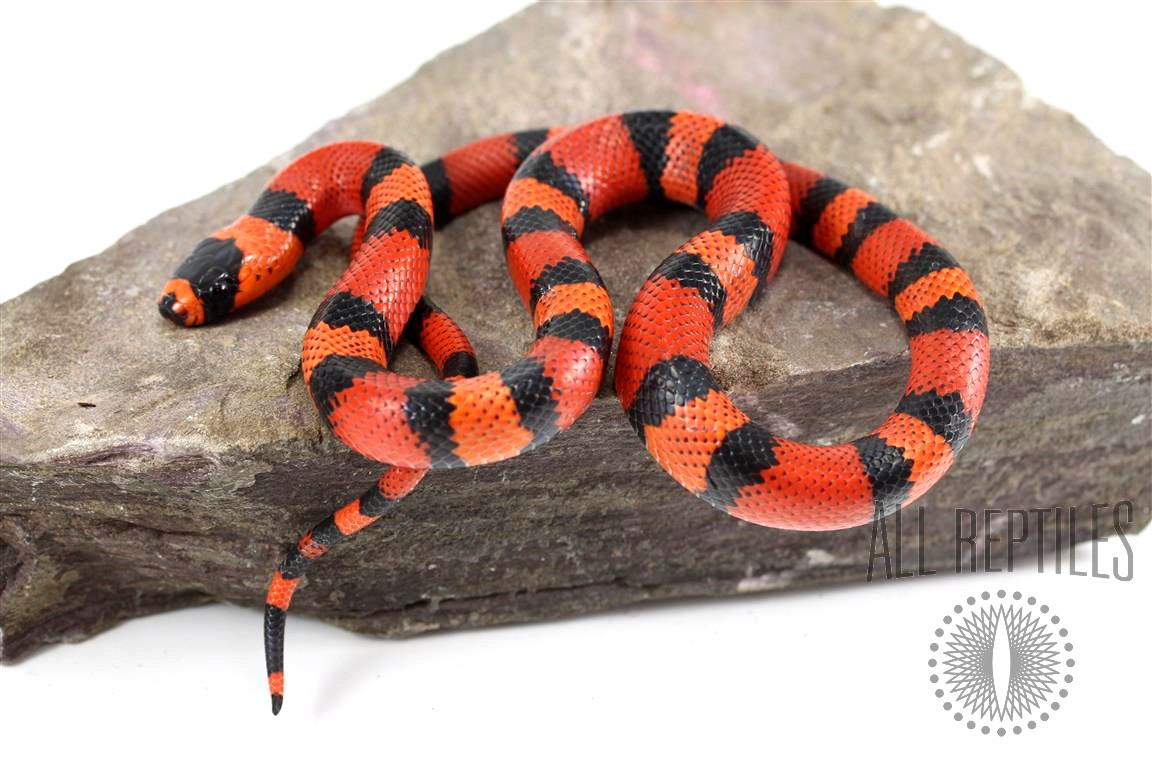
Many people do not know the milk snake is a protected species that can disappear.
“Toronto’s species at risk are a challenge for us all,” she said. “On the one hand, our vulnerable species should be a point of civic pride.”
Karen Yukich, of Protect Nature TO, said Toronto is fortunate to have priceless pockets of ‘high-quality habitat.’
“Trying to replace original habitat with restoration of an alternate site is like trying to put Humpty Dumpty back together again,” Yukich said. “It’s never the same as preserving what was already established over decades and centuries of natural ecological systems.”
The groups claim many endangered species are placed in jeopardy or threatened in Toronto as builders daily demolish old homes or wooded properties to construct condos or homes.