
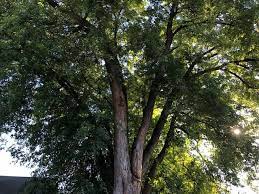
Long Branch residents fear the iconic Black Barn Maple can be injured in a home renovation.
Some Long Branch residents are outraged that a housing extension can proceed possibly endangering an iconic 100-year old maple tree.
Residents have been fighting to stop the extension of a home and garden at 95 James Street fearing it would injure or endanger a so-called Long Branch Black Barn Maple tree, one of the oldest in the area.
A Committee of Adjustment ruled on January 26 that the work can go ahead as long as the tree is not touched.
Community residents had banded together and have for years been trying to stop the extension and save the tree.
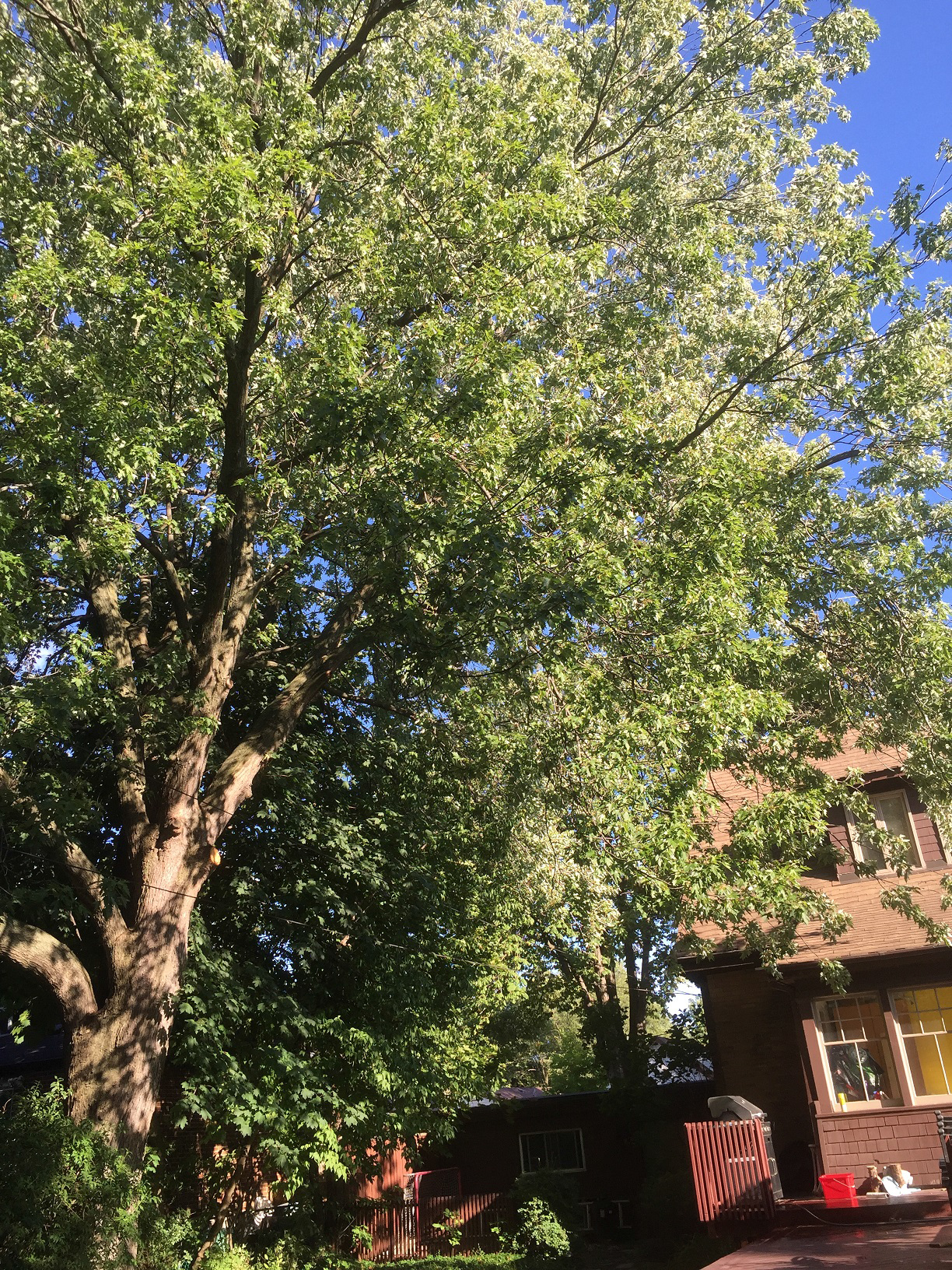
The Black Barn Maple is at least 100-year-old and one of the oldest tree in the area.
“The Black Barn Maple is the quintessential pride and joy of Long Branch, home of Canada’s largest Tree Festival,” said Bill Zufelt, Executive Director of the Long Branch Neighbourhood Association in a letter to the committee.
An arborist report states that the tree is healthy.
“The tree is in good condition, however given its size it is entering the latter phase of its life,” according to the report, which estimates the tree to be at least 100-years-old.
It said trunk protection and mulching is to be installed prior to any site work, which has to be done by hand.
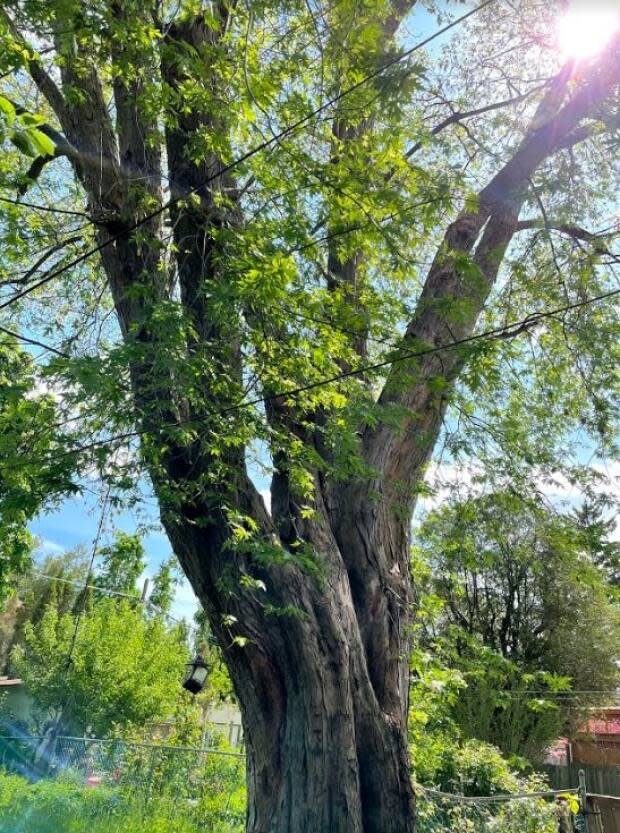
The Black Barn Maple once belonged to Col. Samuel Smith, one of the first administrators of Upper Canada in the early 1800s.
“The proposed injury is minor and is not expected to adversely impact the tree,” the arborist wrote. “Silver Maple is a weak-wooded species prone to storm damage and is generally not well suited to small urban landscapes.”
The report said trees are ‘living organisms, and their health and vigour constantly change over time.’ “They are not immune to changes in site conditions or seasonal variations in the weather conditions.”
The tree is the largest deciduous tree in South Western Toronto, according to the Long Branch Tree Canopy and the Metropolitan University of Toronto Forestry Department.
The historic tree is believed to at one time belong to Col. Samuel Smith, an administrator of Upper Canada.
Zufelt said the Black Barn Maple once belonged to Col. Samuel Smith, one of the first administrators of Upper Canada in the early 1800s after Lord John Graves Simcoe. Smith’s portrait is displayed at Queens Park.
He said In the 1850s the land was acquired by the James Eastwood family and they lumbered the lands using Smiths saw mill to clear the property to create a prominent cattle and horse farm.
The maple is named after the largest of the three Eastwood Black Barns, and was visible from land, sea and rail and became a significant landmark on the Western Toronto Gateway.
In 2021 the Black Barn Maple was nominated to be an official Heritage Tree of Forest Ontario.
Judy Gibson, Chair, Tree Canopy Preservation and Enhancement Committee Long Branch Neighbourhood Association, in a letter noted the applicant plans to construct a garden suite in the rear yard and ‘that will also injure this potential to become a Heritage Tree.”
“A garden suite cannot be built on this property without injuring the Black Barn Maple,” Gibson wrote.