
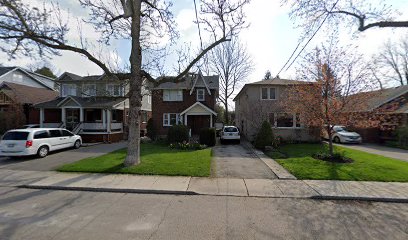
Homeowner in this Central Street community not allowed to cut down black walnut tree due to allergy.
A Mimico resident has been denied a permit to cut down a large healthy black walnut tree due to an allergy.
“The applicant indicates the reason for requesting removal of the tree is to mitigate the risk of a severe walnut allergy to a resident,” according to decision by the Director, Urban Forestry, Parks, Forestry and Recreation.
The refusal is being appealed to Etobicoke York Community Council to make a ruling on the matter.
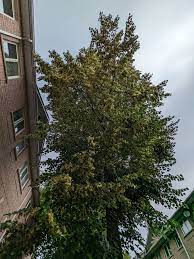
The black walnut produces expensive wood and is protected by a City by-law.
The black walnut tree (Juglans nigra) at 31 Central Street, in the Royal York Road and Hillside Drive area, is healthy and measures 56 centimetres in diameter, Forestry officials wrote.
”The City’s Tree bylaws do not support the removal of this tree as it is healthy and maintainable,” according to the director.
Director Kim Statham said the tree is protected by City by-laws.
Her report outlined the detrimental effects on the City’s ‘ability to preserve, protect and grow the urban forest and tree canopy by exempting black walnut trees from protection under the City’s Tree By-laws, with a focus on both community safety and canopy impacts.’
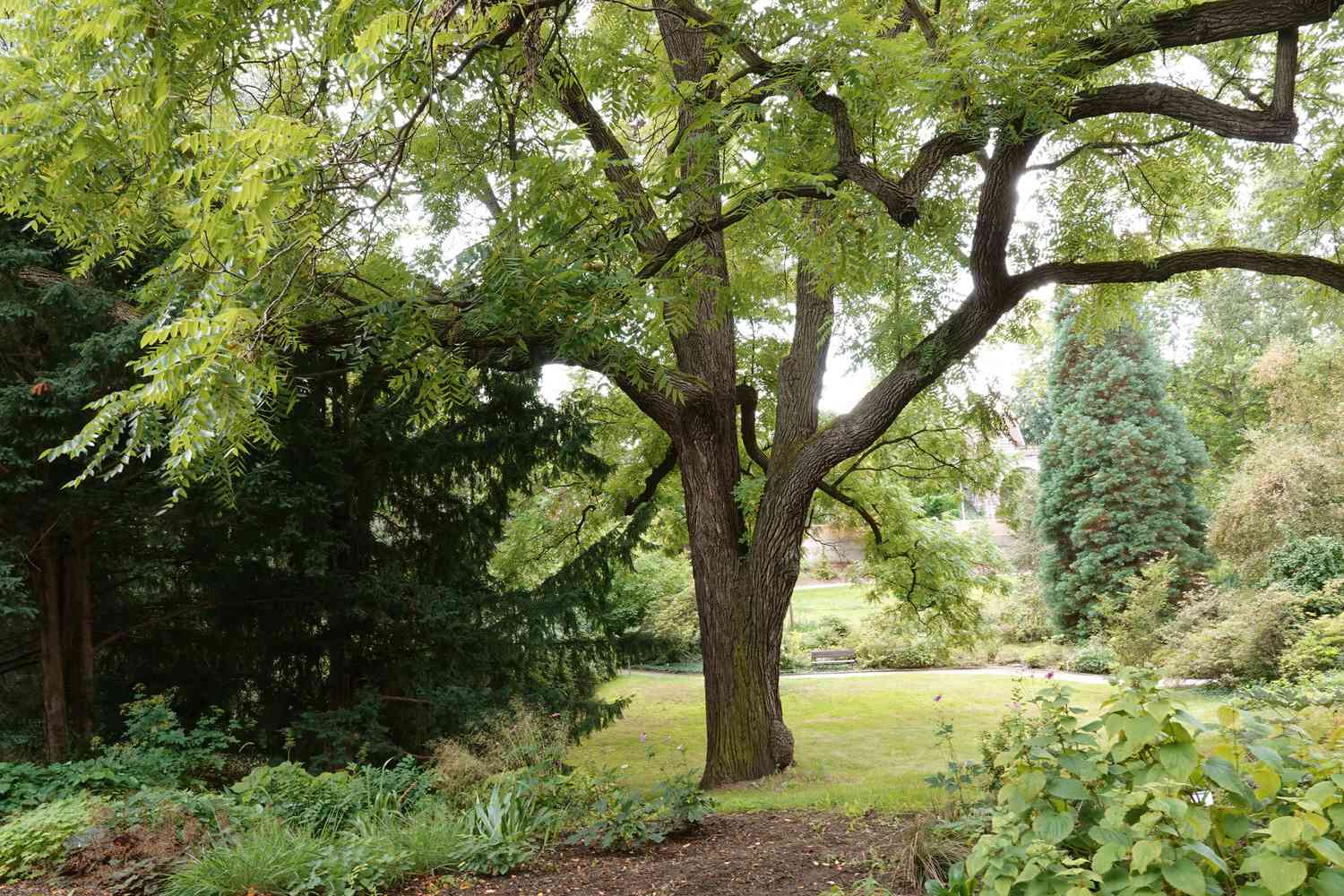
The homeowner is appealing the permit refusal to Etobicoke York Community Council.
Parks, Forestry and Recreation said they received an application for a permit to remove the privately owned tree growing in a rear yard.
They said the homeowner recognized the tree is in healthy condition and would not qualify for a removal permit, based on an assessment by an arborist.
Toronto Public Health officials said ‘there is no evidence to support the removal of a nut-bearing tree to mitigate risk from an allergic response.’
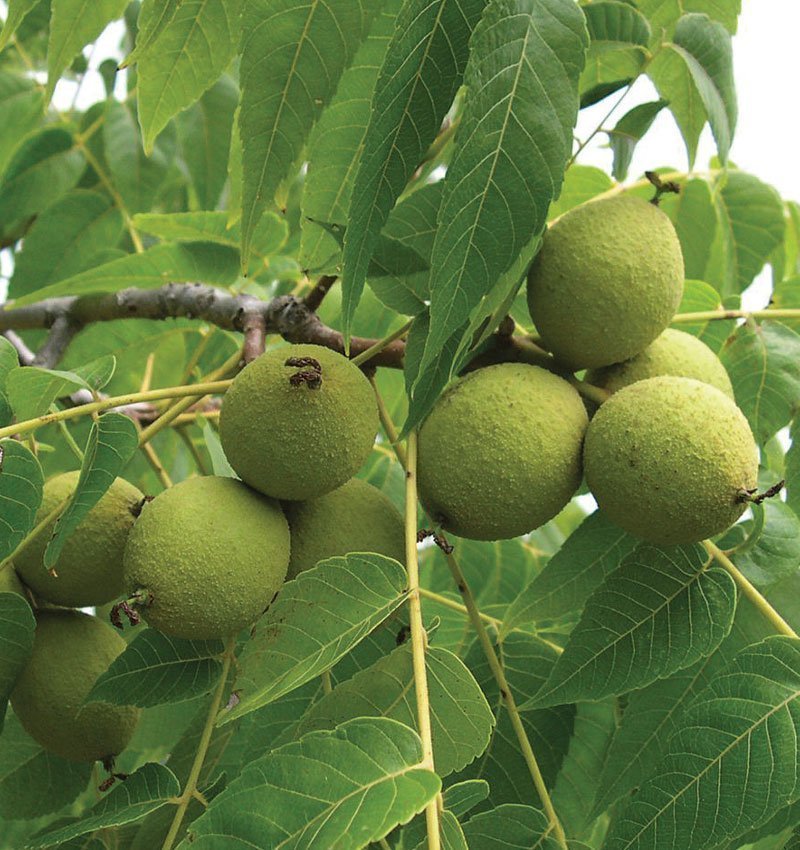
The homeowner was told to clean up the nuts from the ground and warn kids to stay away from them rather than removing the tree due to an allergy.
“Anaphylaxis is highly unlikely to occur except through ingestion of nuts,” Public Health inspectors wrote. “The allergen is in the nut itself and accidental exposure is not likely since the nut is covered by the shell.”
They said a simple and less expensive way to avoid removing the tree is to clean up the nuts from the tree and teach children to avoid the nuts.
“Protecting the urban forest is critical in building climate resilience as urban centres continue to face increasing development Impacts due to climate change in the form of extreme weather events, and other natural threats such as invasive pests,” Forestry officials said.
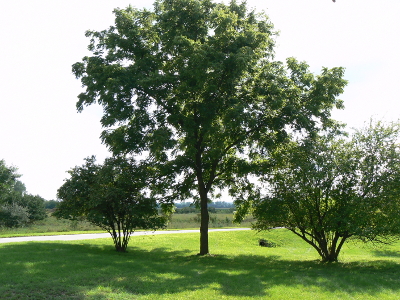
The black walnut is a protected tree in the City of Toronto and produces hardy wood excellent for making furniture.
They said urban forest provides $55 million in ecosystem services and benefits annually.
Services such as air pollution removal, reduction of storm water runoff, and carbon sequestration all contribute to climate resilience. Protecting and expanding tree cover helps to mitigate exposure to extreme heat events through shade and transpiration, they wrote.
Statham recommended that Community Council refuse the request to chop down the tree.
The Black Walnut produces the most highly valued hardwood in North America, with single trees sometimes sold for thousands of dollars. It is often used to make high quality furniture. The seeds are difficult to extract from their shells, but are high in fat and make a delicious and nutritious snack for humans and wild animals alike.
The husks of the seeds stain hands and clothing and have been used to make black dye.