
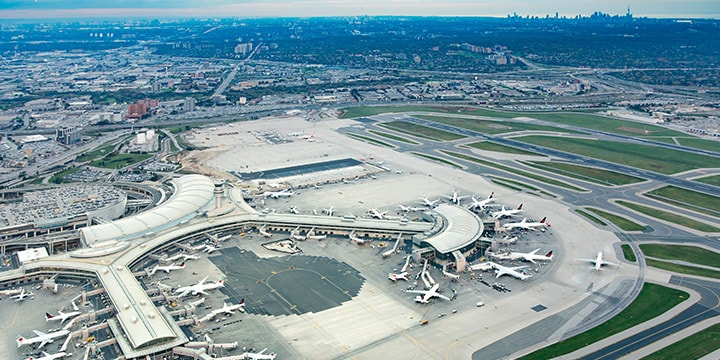
Next time you board a flight at Pearson airport you may not need a paper ticket as facial recognition technology is being tested.
Paperless boarding is coming soon to Pearson airport.
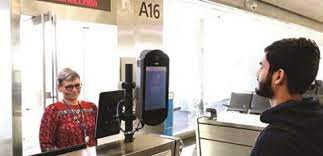
Air Canada is now the first national airline to begin testing facial recognition technology that will allow passengers to board its flights effortlessly without key documents.
No more looking in your pockets or purses to make sure your passport is still there.
An app being used by the airline would create a “faceprint” that would verify a passenger’s identity as they board a flight.
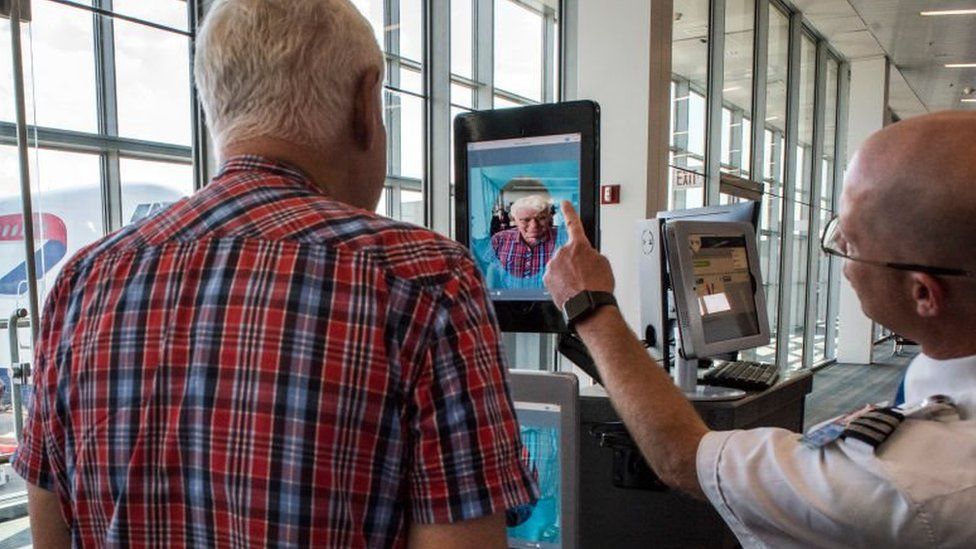
One agent will be checking monitors as you board to ensure your photo and identity are in order.
One agent will be required to screen boarding passengers. Those without proper documents or not on the faceprint file will be interviewed by another agent, according to airline officials.
“We are very excited to now take a leadership position in Canada and test digital identification using facial recognition technology to validate customer identification quickly, securely and accurately at select airport touchpoints.” Air Canada official Craig Landry said.
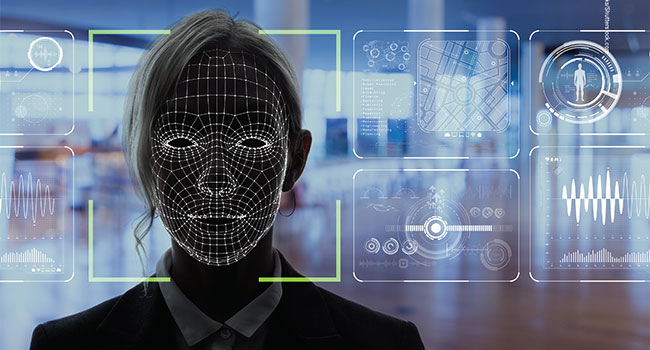
Facial recognition technology for boarding flights is now being used at some airports in China.
Officials said facial recognition technology is now used commonly for unlocking mobile phones, entering workplaces, verifying identification during financial transactions and more.
Air Canada said customers who don’t want to use facial recognition can board as they currently do now by presenting their boarding pass and government-issued photo ID for manual ID check and processing.
The technology has been in use at some Chinese airports for years. Some members of the Canada Border Services Agency (CBSA) were at Daxing International Airport, in China, to witness how facial recognition is being integrated into the airport experience.
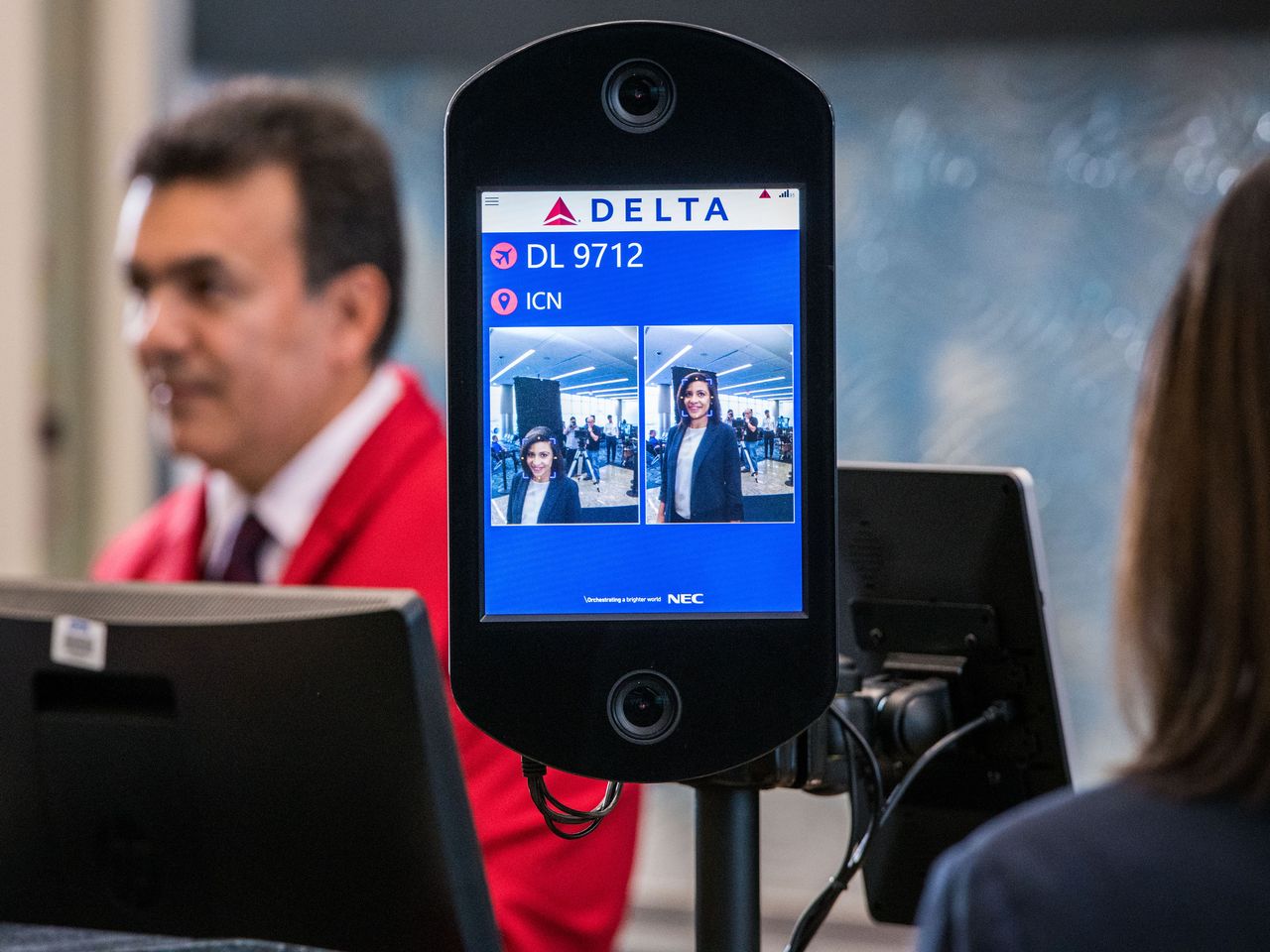
The facial features of passengers will be matched with those available from social media or your license to make sure it is you.
Chinese citizens can use their national identification cards to board flights.
The CBSA now have 14 self-serve kiosks at various Canadian airports that take photographs of passengers that are cross-checked with stored passport data.
The photos can be cross-referenced to those accessible on driver’s license, social media or other platforms.
The technology can also be used by police to detect criminals or terrorists entering the airport whose photos are stored in a database.
There are now about 238 airports using Biometric Facial Comparison Technology at airports worldwide.
There are fears by some that the facial recognition technology can intrude on their privacy. It can also be used by police or security agents to identify criminals, terrorists or other lawbreakers as they enter the airport or its premises.
The technology is also used in some Ontario casinos to find those who are banned or who have committed frauds.