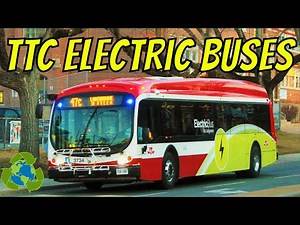
The TTC will soon have some 400 electric buses on the roads of Toronto making it the greenest transit company in North America.
The TTC say they are the better and cleanest way to get around.
The transit company says by next year it will have a fleet of 400 zero emission e-buses making it the greenest large transit systems in North America.
A ‘Red Rocket’ Green Bus Program led to greenhouse gas emissions being reduced by more than 25 per cent with the procurement of 591 new hybrid-electric buses and 208 battery-electric buses.
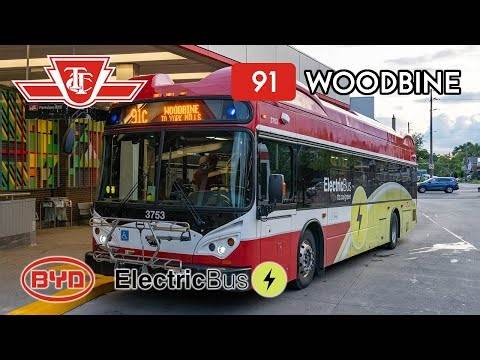
The Woodbine Number 91 e-bus has been in service for some time.
“By the end of the first quarter of 2026, the current order of 340 e-buses will have grown the zero-emission fleet to 400, making the TTC’s bus fleet the greenest of large transit systems in North America,” according to a report presented at a TTC board meeting last month.
The company said more than 50 per cent of its ridership are served by electric and emission-free subway and streetcar systems.
It said the emission reductions are estimated to yield $460 million in avoided social costs of carbon and $2.8 million in healthcare costs avoided.
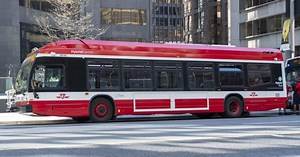
This is a TTC hybrid bus that will reduce emissions on our streets.
“This one action will reduce the TTC’s direct organization-wide emissions by 28% by 2030,” according to the report.
The transit company retired its fleet of Orion VII Clean Diesel buses last year phasing out its highest-emitting buses. The diesel from buses includes; carbon monoxide, nitrogen oxides, particulate matter, sulfur oxides, and volatile organic compounds.
“Once our fleet is fully electrified, this transition is expected to avoid approximately 290,000 tonnes of carbon dioxide equivalent and 125 tonnes of criteria air pollutant emissions annually between 2040 and 2050,” according to the TTC.
Staff said low-income and equity-deserving communities are often located near bus garages and high-traffic corridors, which exposes them to diesel exhaust and related health issues as asthma and cardiovascular disease.

The City has also ordered two electric ferries to travel to Centre and other islands in a bid to reach zero emissions.
“Electrifying bus fleets directly reduces local tailpipe emissions, delivering localized air quality improvements to neighbourhoods that historically bear the greatest pollution burden,” the report warned.
It noted e-buses have a shorter range than diesel/hybrid buses, and will require adjustments in scheduling, charging operations and fleet size.
The TTC is working with Toronto Hydro and others to develop charging infrastructure for the green fleet.
The transit company is the largest in Canada with 192 bus routes and last year had a ridership of about 420 million or about 1.5 million daily.